
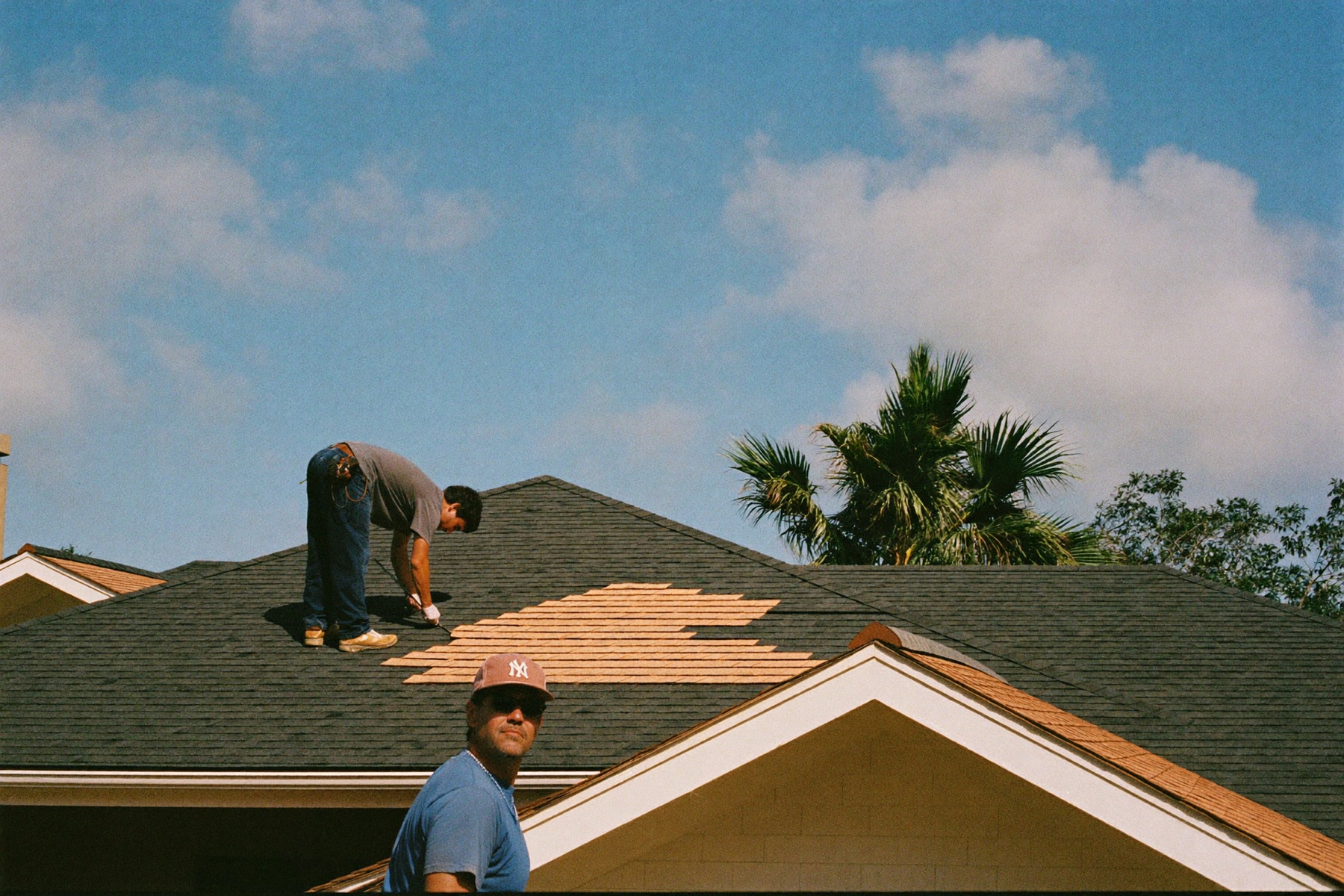
Every reroof reaches the moment the sample board comes out, and someone asks: 'Won't the dark one cook the house?' Short answer: color affects roof surface temperature meaningfully, attic temperature somewhat, and your bill a little — and three other choices matter more.
What color actually changes
Light shingles reflect more solar energy; a dark roof surface can run tens of degrees hotter on a summer afternoon. But between that surface and your thermostat sit decking, a ventilated attic, and (hopefully) a foot of insulation. By the time the heat reaches living space, well-ventilated homes see only modest bill differences between colors — real, but rarely decisive.
What matters more than color
- Attic ventilation: a balanced soffit-ridge system beats any color choice for heat control.
- Insulation depth: R-value at the ceiling is the wall between attic heat and your AC.
- Radiant barrier decking at reroof time: reflects heat before the attic absorbs it — a bigger lever than pigment.
Picking a color you'll still like in 2046
- ▸Look at the sample outside, at your house, in full sun — showroom lighting lies.
- ▸Weathered blends (multi-tone) hide algae streaking and aging far better than solid darks.
- ▸Check the HOA before falling in love; many Tampa Bay communities keep approved palettes.
- ▸Match the era: warm blends flatter Mediterranean and stucco homes; cool grays suit coastal and modern lines.
Our take after hundreds of sample-board moments: choose the color that fits the house, then spend the 'heat anxiety' budget on ventilation and radiant barrier, where it does measurable work.
Reroofing soon? Bring your color question to the free assessment — we bring the sample boards.