
The black streaks running down half the shingle roofs in Tampa Bay aren't dirt or 'roof rot' — they're algae (Gloeocapsa magma) feeding on the limestone filler in shingles, and our humidity is their paradise. Mostly cosmetic, occasionally consequential, and very fixable — if it's cleaned the right way.
Soft wash, never pressure wash
A pressure washer strips the granules that ARE your shingles' UV armor — a single aggressive cleaning can take years off a roof and void manufacturer warranties. The correct method is soft washing: low-pressure application of a sodium-hypochlorite-based solution that kills the algae, rinsed gently. The streaks fade over following weeks as the dead growth washes away.
Does it matter beyond looks?
- ▸Mostly cosmetic on younger roofs — but heavy growth holds moisture against shingles and can shorten life at the margins.
- ▸Insurance and appraisal optics are real: streaked roofs photograph 'old' in an inspection report even when they're structurally fine.
- ▸Lichen and moss (raised, textured growth) are a bigger deal than algae film — their roots physically lift granules and deserve prompt attention.
Prevention that actually works
- Algae-resistant shingles at reroof time: copper-infused granules are standard on most quality architectural lines now.
- Zinc or copper strips at the ridge release ions that suppress regrowth with every rain.
- Trim overhanging branches — shade and debris are the algae's best friends.
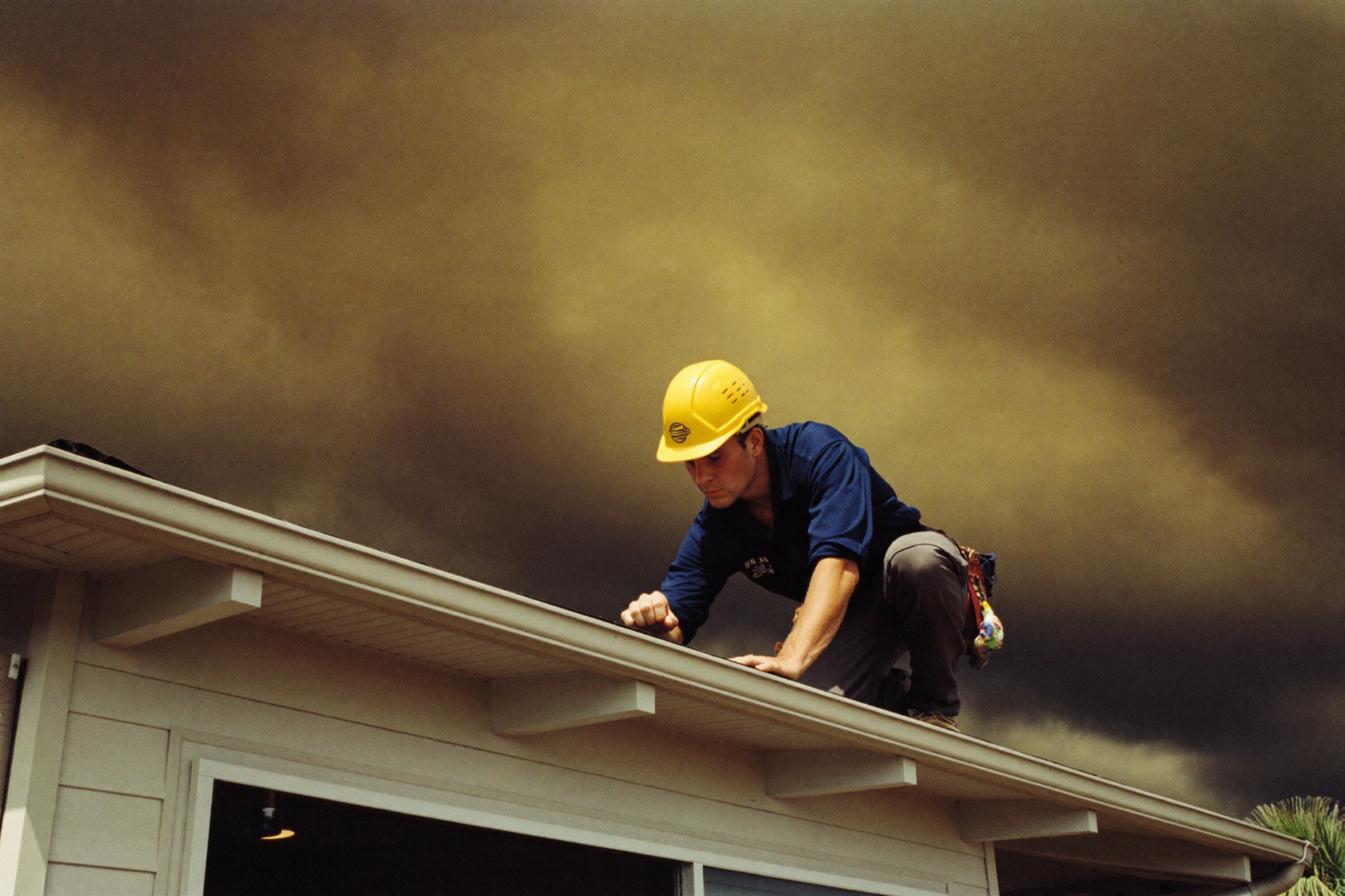
One more thing: anyone walking your roof to clean it should know how to walk a roof. Cracked tiles and scuffed shingles from careless cleaning crews are a repair category of their own.
Streaks, moss, or not sure what you're looking at? Send us a photo — we'll tell you straight if it's cosmetic.